
World Cup Ticket Buyers Outraged After FIFA Allegedly Downgraded “Category 1” Locations After Sale
A new wave of backlash is hitting FIFA’s 2026 World Cup ticketing operation, this time from fans who say the…
A new wave of backlash is hitting FIFA’s 2026 World Cup ticketing operation, this time from fans who say the governing body sold them high-priced ticket categories with the implication of premium seating, only to later assign many of those buyers to far less desirable locations.
According to The Athletic, buyers of Category 1 tickets – FIFA’s top regular public tier – say they were led to believe those seats could place them broadly across lower bowls and other prime sections, but many instead wound up in corners, behind goals, or in sections that had previously been shown as lower categories. The report also found that some of the most coveted lower sideline inventory appears to have been unavailable to ordinary Category 1 buyers at all, despite maps that suggested otherwise.
That distinction matters because FIFA has been charging enormous premiums tickets to the upcoming World Cup – particularly for the top category of seats. For the U.S. opener against Paraguay at SoFi Stadium, Category 1 tickets were priced at $2,735, compared with $1,940 for Category 2 and $1,120 for Category 3. Yet when actual seat assignments were shared this month, fans found Category 1 availability clustered in 200-level corner and endline areas, while resale inventory showed no sideline seats in the 100, 200, or 300 levels. At the same time, hospitality inventory through partners like On Location appeared to occupy many of the premium lower sideline sections.
“I feel like FIFA intentionally misled us when they provided us with that seating chart, making us think that we had a possibility of sitting beside the pitch, when in actuality that was never possible in the first place,” said Nick, a fan quoted in The Athletic story.
“It’s just hard to not feel scammed and/or bamboozled,” he said. He later used the terms “manipulated” and “taken advantage of.”
In response to the story, FIFA said its “indicative category maps” were meant as general guidance rather than exact layouts, and said later map changes were made to reflect the “final reality of category zoning” after supporter inventory was released more broadly. But that explanation has done little to calm supporters who believe the maps changed midstream and that prime inventory was effectively held back from the general public while FIFA continued selling premium hospitality products.
The controversy is especially sensitive because FIFA did not initially provide fans with exact seats at the time of purchase. Instead, buyers were asked to commit to categories — often at steep North American price points — before learning their precise locations. The Athletic reported that FIFA sold more than 3 million tickets through the fall and winter under that category-based system, which many North American buyers found unfamiliar and opaque.
Fan frustration had already been brewing well before this week’s broader outcry. In a Reddit thread from began months ago, one poster argued that overlaying FIFA’s hospitality illustrations with the public category maps showed how “midfield lower-bowl blocks” were being carved out for premium packages while ordinary Category 1 buyers were effectively being pushed toward corners and end zones. The same post argued that general-public buyers were being used as “filler” after hospitality and supporter allocations were set.
That thread also captured the central complaint now spreading more widely across social media: not necessarily that FIFA sells premium hospitality, but that regular fans were shown maps suggesting premium public tickets might include seats that may never really have been available to them. One commenter wrote that the problem was not hospitality getting strong locations, but “showing it as a potential Cat 1 seat I could be assigned when in reality that was never a possibility.”
Screenshots of reactions on X shared with TicketNews show that sentiment spilling well beyond Reddit. One user wrote that he spent heavily on two Category 2 tickets only to find they were “basically the worst seats in MetLife Stadium.” Another said FIFA “changed the seating charts and added more Cat 1 seats that were originally Cat 2,” leaving his ticket in what he described as an old Category 2 area. Others said their Category 1 seats ended up behind the goal, in corners, or on upper levels despite paying for what they believed was premium non-hospitality inventory.


That widening backlash is important because it adds a more personal, consumer-facing dimension to the broader criticism that has followed FIFA’s 2026 ticketing strategy for months. Fans and consumer groups in Europe have already attacked FIFA over dynamic pricing, opaque sales practices, and what they characterize as monopoly-style control over the tournament’s ticket ecosystem. This latest dispute shifts the focus from price alone to product integrity: whether fans actually received what FIFA’s maps and category system led them to believe they were buying.
Some affected fans have indicated they are considering legal action, though FIFA’s ticket terms appear written to give the organization substantial protection. Those terms state that stadium maps are for guidance only and may not reflect the actual layout or boundaries of ticket categories, while also reserving FIFA’s right to determine or change seat locations so long as the final seat is in the same category or one of “comparable or better value.”
Even with that contractual language, the optics are worsening. For many supporters, the issue is not just whether FIFA reserved the legal right to reshuffle seating, but whether it created the impression that public buyers of expensive Category 1 tickets had a legitimate shot at the same kinds of premium sightlines later associated with hospitality inventory.
That perception problem is now colliding with a broader trust problem. As one fan quoted by The Athletic put it, “You feel like you can’t trust them. The process keeps changing, the seats keep changing, the maps keep changing.” Another said the experience left him feeling “misled.”
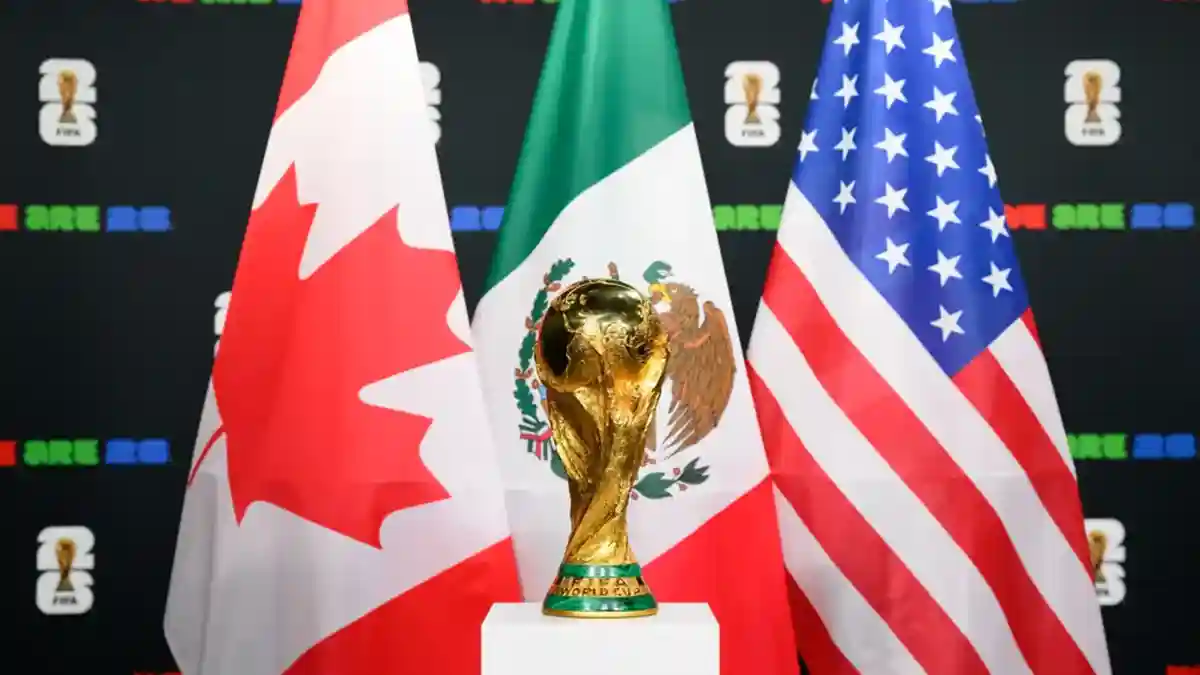
For FIFA, that may be the larger risk. The 2026 World Cup is supposed to be a showcase event across the United States, Canada, and Mexico, and demand for tickets has been enormous. But as more fans receive seat assignments and compare them against the maps they were originally shown, the tournament’s ticketing rollout is increasingly starting to look less like a premium fan experience and more like another case study in how a closed ticketing system can maximize revenue while leaving buyers to argue over what, exactly, they paid for.
Read next
More headlines

May 13, 2026
Luke Bryan Farm Tour to Help Feed Rural Families in California
Luke Bryan’s 2026 Farm Tour is getting an added dose of community impact. Bayer has partnered with the country superstar…

May 13, 2026
Mason Alexander Park to Make Broadway Debut in ‘Much Ado About Nothing’
A Broadway transfer of “Much Ado About Nothing” will arrive in New York this fall, bringing its full London company…

May 13, 2026
StubHub Q1 Results Show Resale Growth as Fight Over Ticket Distribution Intensifies
StubHub opened 2026 with higher sales, rising revenue, and a return to profitability, strengthening the newly public marketplace as the…